As we kick off 2026, we will be running a blog series on common misconceptions about manufactured housing. Manufactured housing has undergone a remarkable transformation over the past 50 years, but many people still picture what the industry looked like decades ago.
Let’s look at how manufactured housing has evolved into one of the smartest, most efficient housing options available in the market today.
A Brief History Worth Knowing
Before 1976, mobile homes were built with minimal federal oversight. They served an important purpose, providing affordable housing to millions of families, but construction standards could vary widely across manufacturers.
Then came the HUD Code in 1976, establishing the first national construction standard for manufactured housing. This was a turning point in our industry and nationally for manufactured housing. The HUD Code required that every manufactured home meet strict federal requirements for:
- Structural design and durability
- Fire safety systems
- Energy efficiency standards
- Wind resistance (up to 110 mph in some zones)
- Thermal protection and insulation
This allowed the industry to grow and manufactured housing to meet the housing needs of millions of Americans over the decades. Innovation continued, and today’s manufactured homes offer many of the amenities of traditionally built housing at a fraction of the cost, with more stringent craftsmanship..
The Modern Manufacturing Advantage
Today’s manufactured homes are built in state-of-the-art factories using precision engineering. Here’s what that means for homebuyers:
Climate-Controlled Construction: A manufactured home is built indoors, protected from the weather. No rain-damaged lumber, no frozen materials, no weather delays that rush construction.
Quality Control: Homes are inspected at multiple stages of construction, during framing, electrical, plumbing, and final assembly. This level of oversight exceeds what most site-built homes receive.
Precision Building: Computer-aided design and factory tools create tighter seals, more consistent cuts, and better overall construction than is possible on a job site out in the elements.
Cost Efficiency: Factory production results in less waste, bulk material purchases, and lower labor costs. These savings get passed to you, typically 30-50% less than comparable site-built homes.
Energy Efficiency: With less waste and engineered building processes, manufactured housing typically has considerably less construction waste and energy usage than a site-built home.
Customization at A More Affordable Price Point
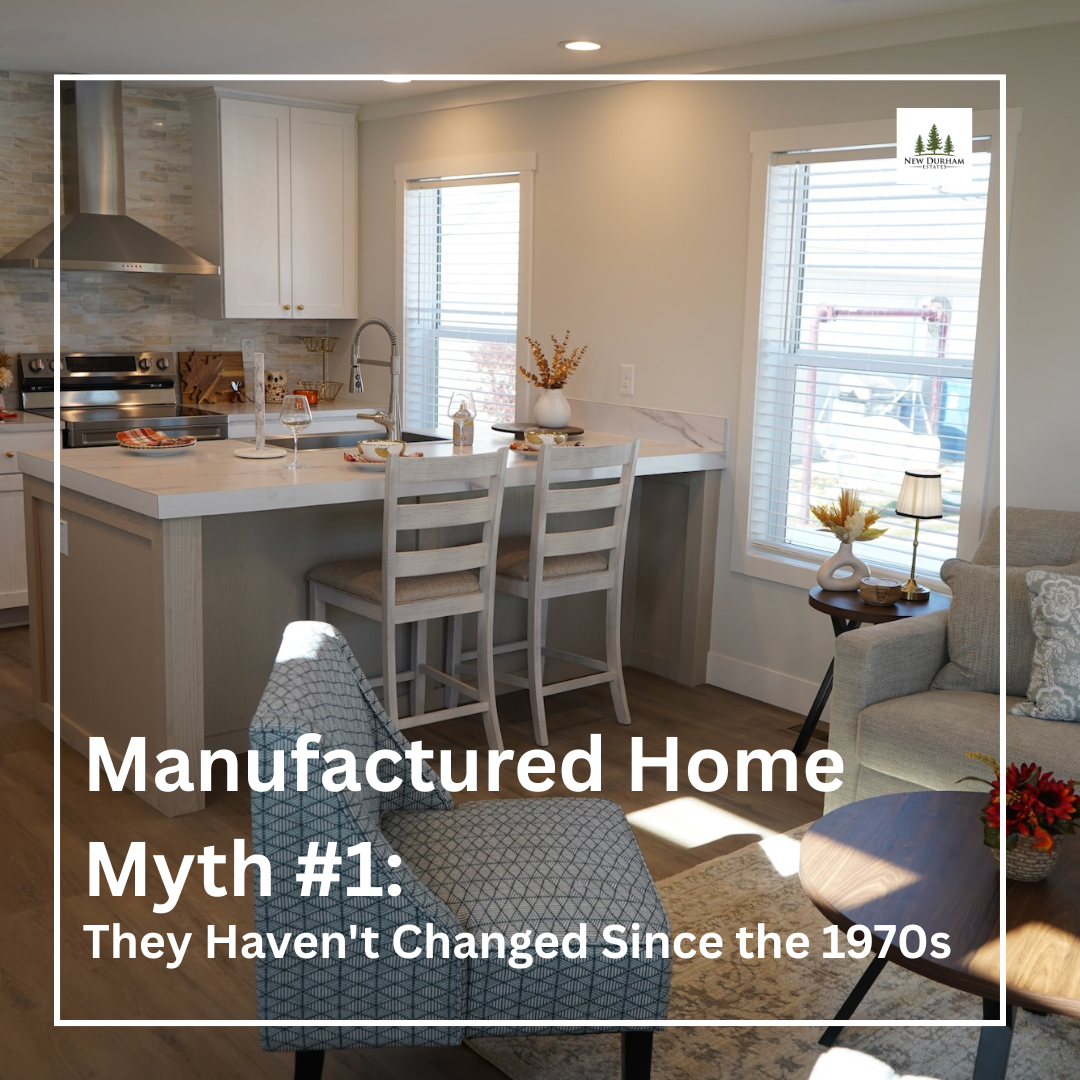
Modern manufactured homes offer the features today’s homebuyers want:
- Open floor plans with vaulted ceilings
- Custom cabinetry and granite or quartz countertops
- Energy-efficient appliances and HVAC systems
- Smart home integration
- Designer fixtures and finishes
- Spa-style bathrooms and walk-in closets
Modern manufactured housing offers a smarter way to get the home you want at a price point that works for you.
Energy Efficiency That Pays You Back
Here’s where manufactured homes really shine: energy efficiency. Manufactured homes are an eco-friendly alternative from start to finish.
Modern construction standards require tight building envelopes, high-quality insulation, and efficient heating and cooling systems. The result? Lower utility bills every single month.
Many homeowners are surprised to find their manufactured home costs less to heat and cool than their previous site-built home, even if it’s larger.
Finding Your Perfect Fit
Whether you’re considering a newer manufactured home with all the latest features or a well-maintained home from an earlier era, the key is finding the right fit for your needs and budget.
Every home in our community offers the lifestyle benefits of manufactured home living: lower costs, less maintenance, and the security of community living.
The Bottom Line
Manufactured housing has continued to innovate to meet the needs of today’s homebuyers. Today’s homes combine quality construction, modern design, energy efficiency, and affordability in ways that traditional housing simply can’t match.
Ready to see the difference for yourself? Click here to contact us today.