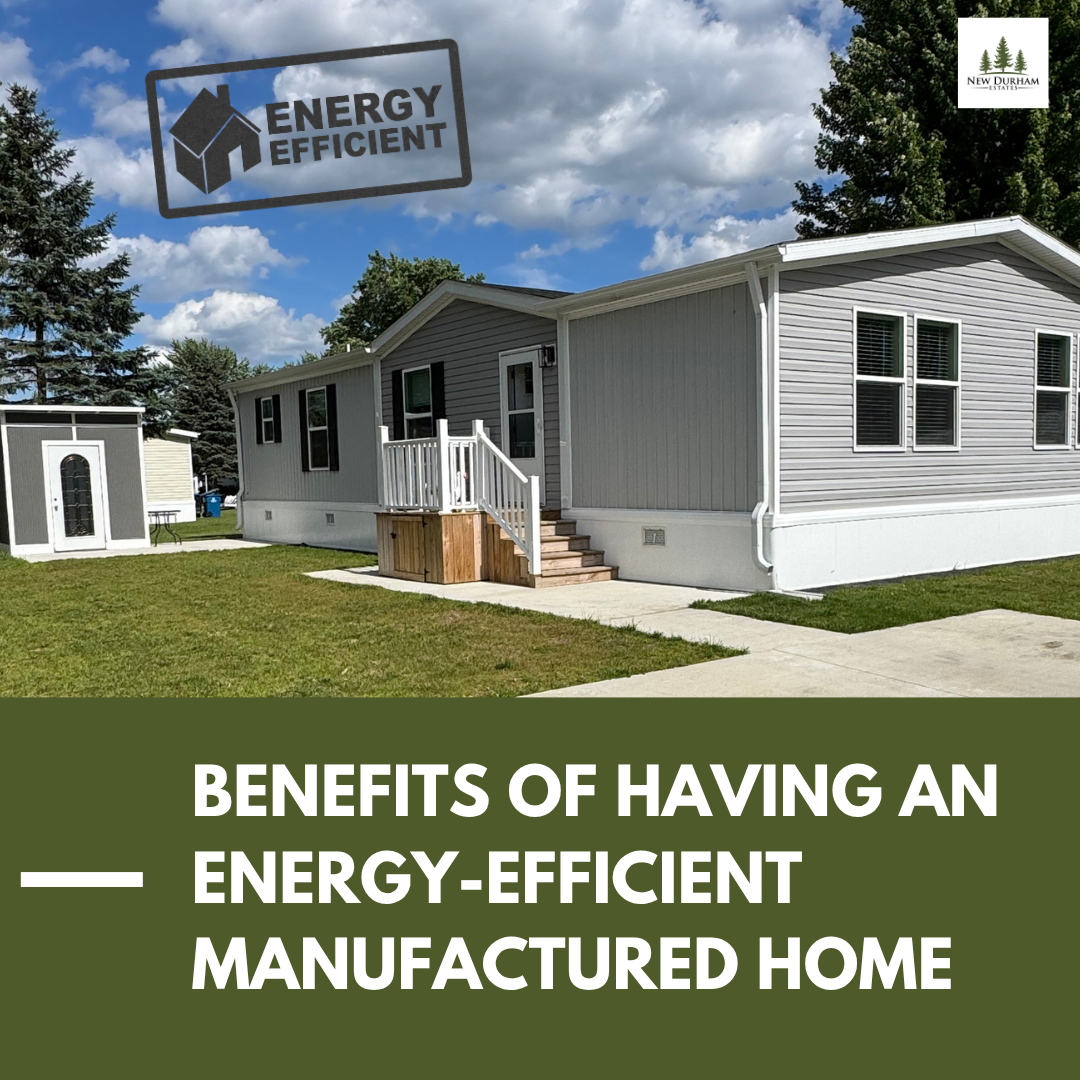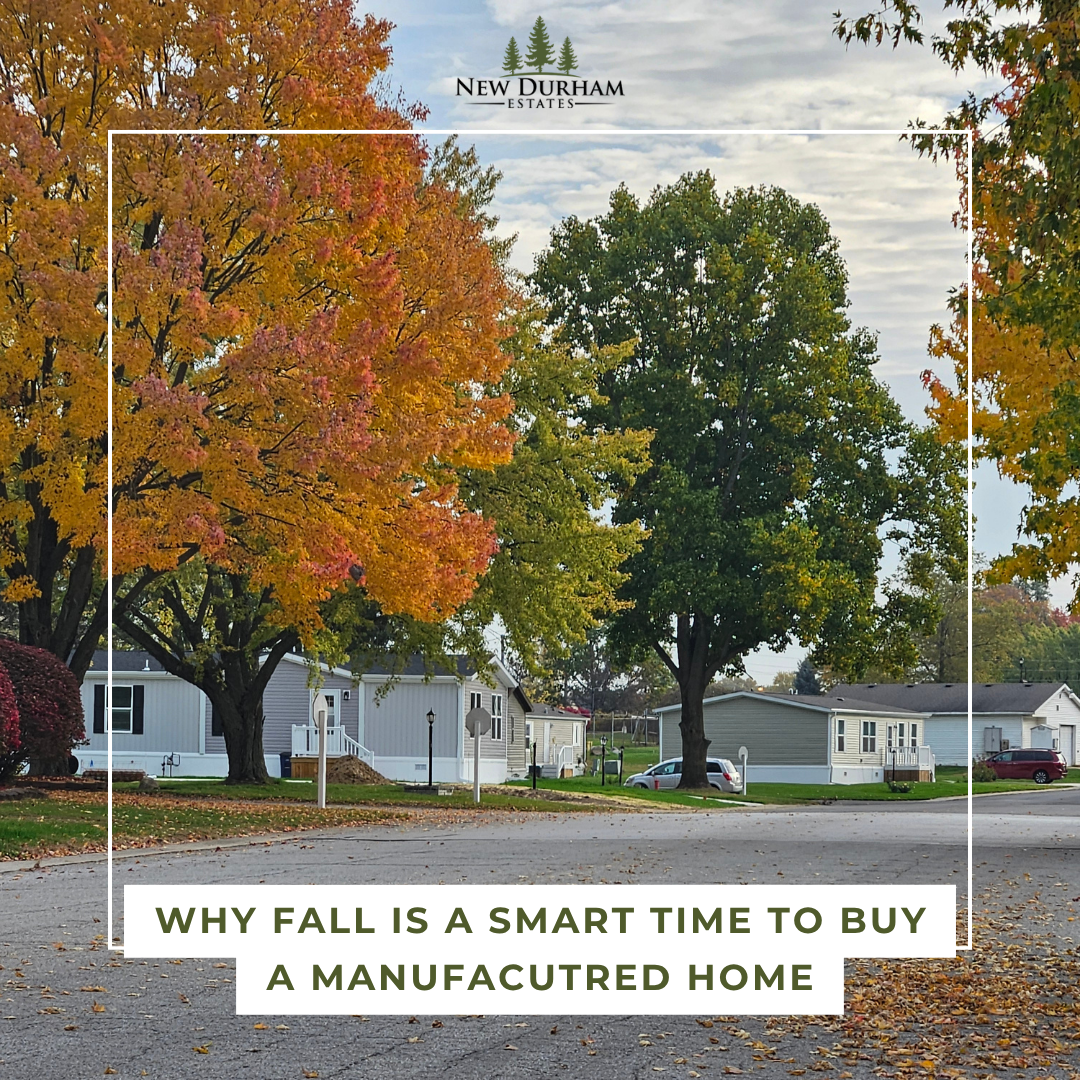
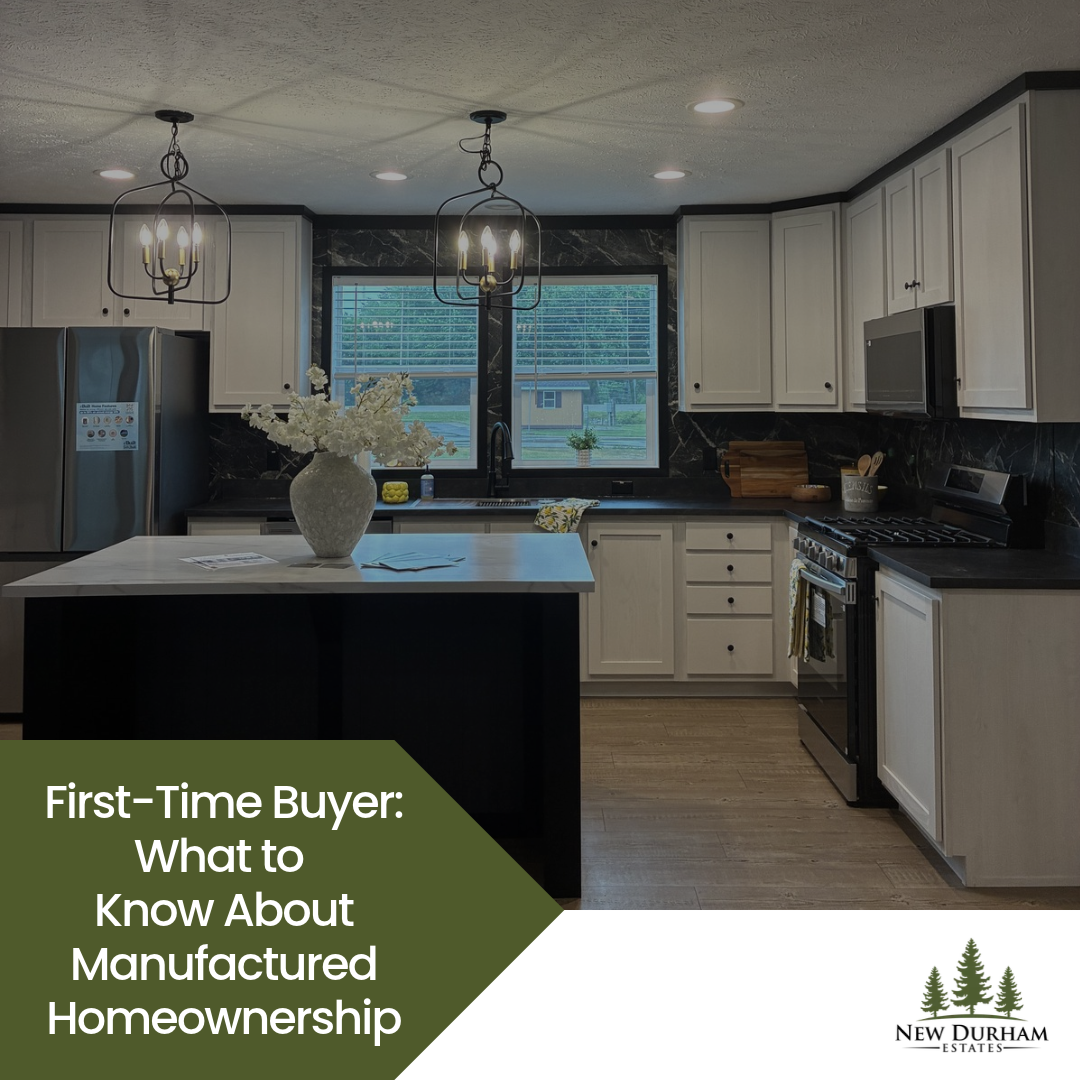
Buying your first manufactured home is an exciting milestone, but it can also come with a lot of questions. If you’re considering a manufactured home or are already a homeowner, you may be wondering about financing options, construction standards, or the buying process. This guide breaks down what new manufactured home owners may need to know so you can go through the home-buying process with confidence and ease.
What is Considered a Manufactured Home?
A manufactured home is built in a climate-controlled factory and then transported to the location where it will be installed. Unlike site-built homes, they are governed by federal standards established by the U.S. Department of Housing and Urban Development (HUD). Under the National Manufactured Housing Construction and Safety Standards Act, which took effect in 1976, the HUD code covers everything from design and construction to installation. Each section of a home built to HUD code will display a red certification label on its exterior. Look for this label when touring homes to ensure they meet federal safety and construction standards.
Construction
A manufactured home is built inside a factory in one or more sections and then transported to its designated site. They primarily come in three size categories: single-wide, double-wide, or triple-wide sections to fit a variety of lifestyles, needs, and budgets. Once it arrives at the site, it is placed on either a temporary or permanent foundation, and the sections are connected. Timelines can vary depending on weather, site preparation, home customization, and other factors.
Real Property vs. Personal Property
How a manufactured home is titled can affect financing, insurance, taxes, and more. Manufactured homes can be placed on land you own, on leased private land (non-community), or within a land-leased community.
Here’s the difference:
- Real property: You own both the land and the home.
- Personal property: The home is owned separately from the land, such as when it’s on leased land.
Financing Differences
There are several options to finance a manufactured home, including FHA, VA, USDA, and chattel loans. All lenders have specific requirements, so we recommend exploring your options before deciding what will best fit your situation.
- FHA: Title I loans can finance a home with or without land, and Title II loans finance a manufactured home on a permanent foundation.
- VA: Eligible veterans may have VA financing options for qualifying manufactured homes and properties.
- USDA: Loans are available for homes that meet eligibility requirements and are located in rural areas.
- Chattel Loan: These loans apply to manufactured homes that are personal property rather than real estate.
Customization
Did you know that manufactured homes can be customized to fit your personal needs, lifestyle, and aesthetic preferences? Customization options may vary by builder and home. To learn more about specific customization options available to you, ask the manufactured home retailer or sales representative.
Common customization features can include:
- Outdoor porch
- Entertainment center
- Coffee bar
- Double vanity bathroom sinks
- Bonus flex room
- Interior finishes
- Lighting fixtures
Maintenance
Manufactured homes require regular care and maintenance just like any other home. It is recommended to regularly inspect the exterior, clean gutters, and change air filters. Depending on the season and region in which you live, additional maintenance may be recommended to keep your home in good condition. If living in a manufactured home community, ask what maintenance responsibilities fall in the hands of the homeowner and which services are included through the community.
To view our current fall maintenance checklist, click here.
Buying Process
The buying process is exciting but can also be overwhelming. Here is what to expect, step by step:
- Research, Finances, Pre-approval: Become an informed homebuyer, review your budget, gather documents, and obtain the necessary approvals from lenders and communities.
- Secure Land and Location: Understand site requirements and determine where your home will be located.
- Find the Right Home: Explore floor plans, features, and customization options.
- Prepare Your Site: A homesite undergoes preparation and foundation work before a home arrives.
- Finalize Logistics: Complete site preparations, select insurance, and schedule utility setup.
- Delivery and Installation: The home is delivered and installed. Walk through and make note of any issues.
- Inspection: A home inspection must be completed and passed before move-in.
- Close & Move In: Receive your keys, complete the documentation, and settle into your new home!
Quick FAQS
- Can my home appreciate in value? Yes, manufactured homes can appreciate in value. Factors such as location, housing market demand, home condition, and upgrades can influence the value.
- Are manufactured homes more affordable? Manufactured homes are an affordable path to homeownership. The average price of a single-section home is $60,000-$90,000.
- What kind of insurance can I get for my home? A specialized type of insurance policy is required for manufactured homes, typically known as an HO-3.
- Are manufactured homes modern? Yes, many homes today have modern features, including energy efficiency, smart technology, luxury bathrooms, and innovative designs.
Welcome to Homeownership
Manufactured homeownership may come with a few new terms and steps, but it doesn’t have to feel intimidating. With this guide, we hope you can move forward with everything you need for a successful path to homeownership. Before you know it, you’ll be settled into your new home and soaking in the excitement of being a first-time manufactured home owner.
If you are interested in learning more about our community or seeing available homes for sale, contact New Durham Estates today. We are more than happy to walk you through any questions you have and help you find the right fit!